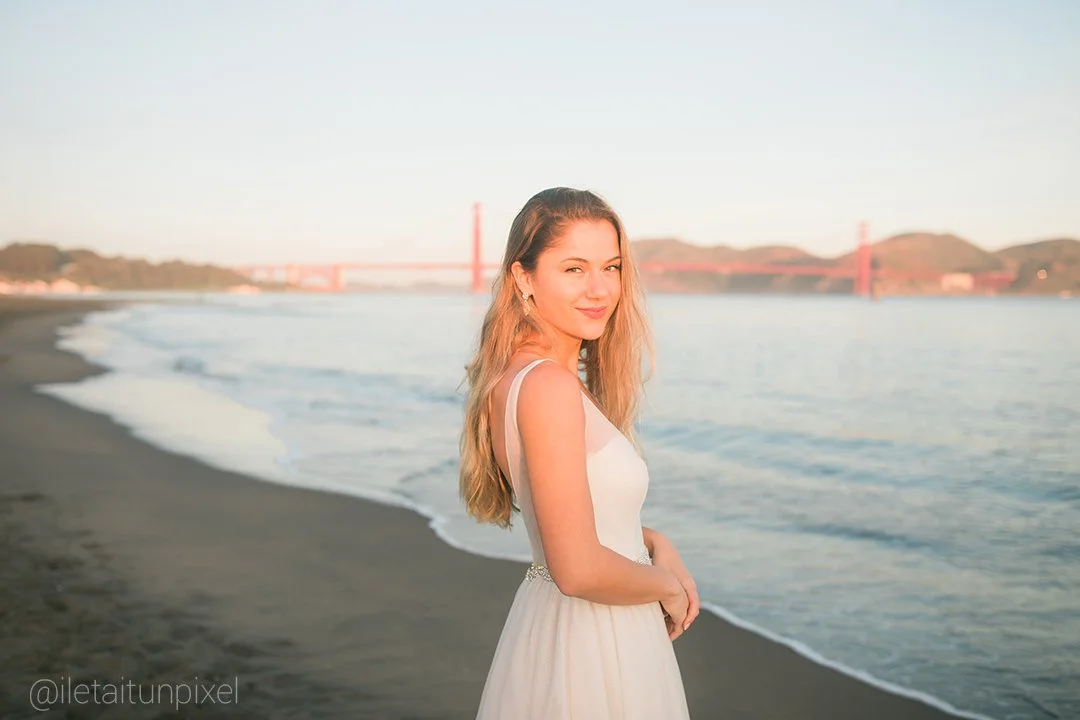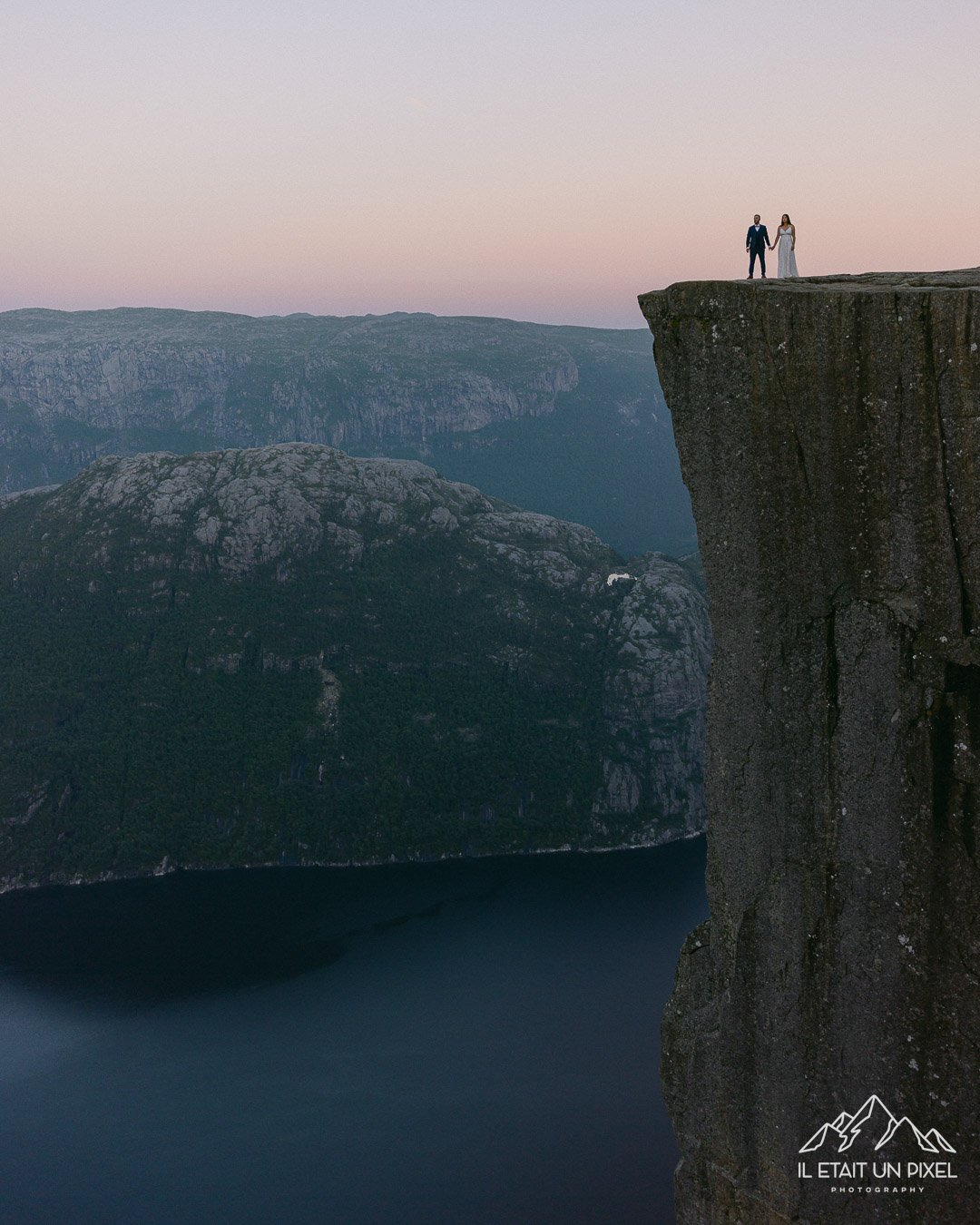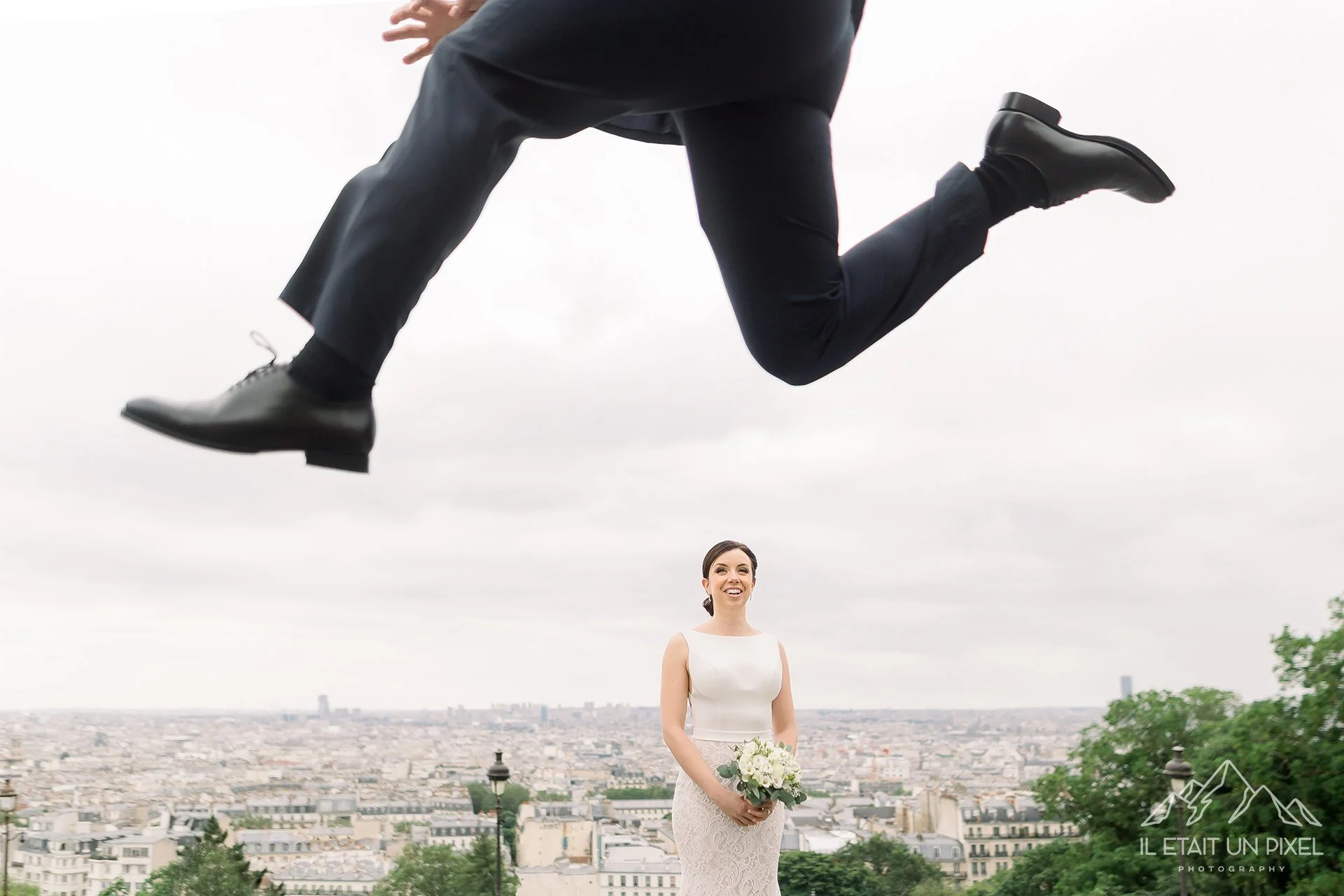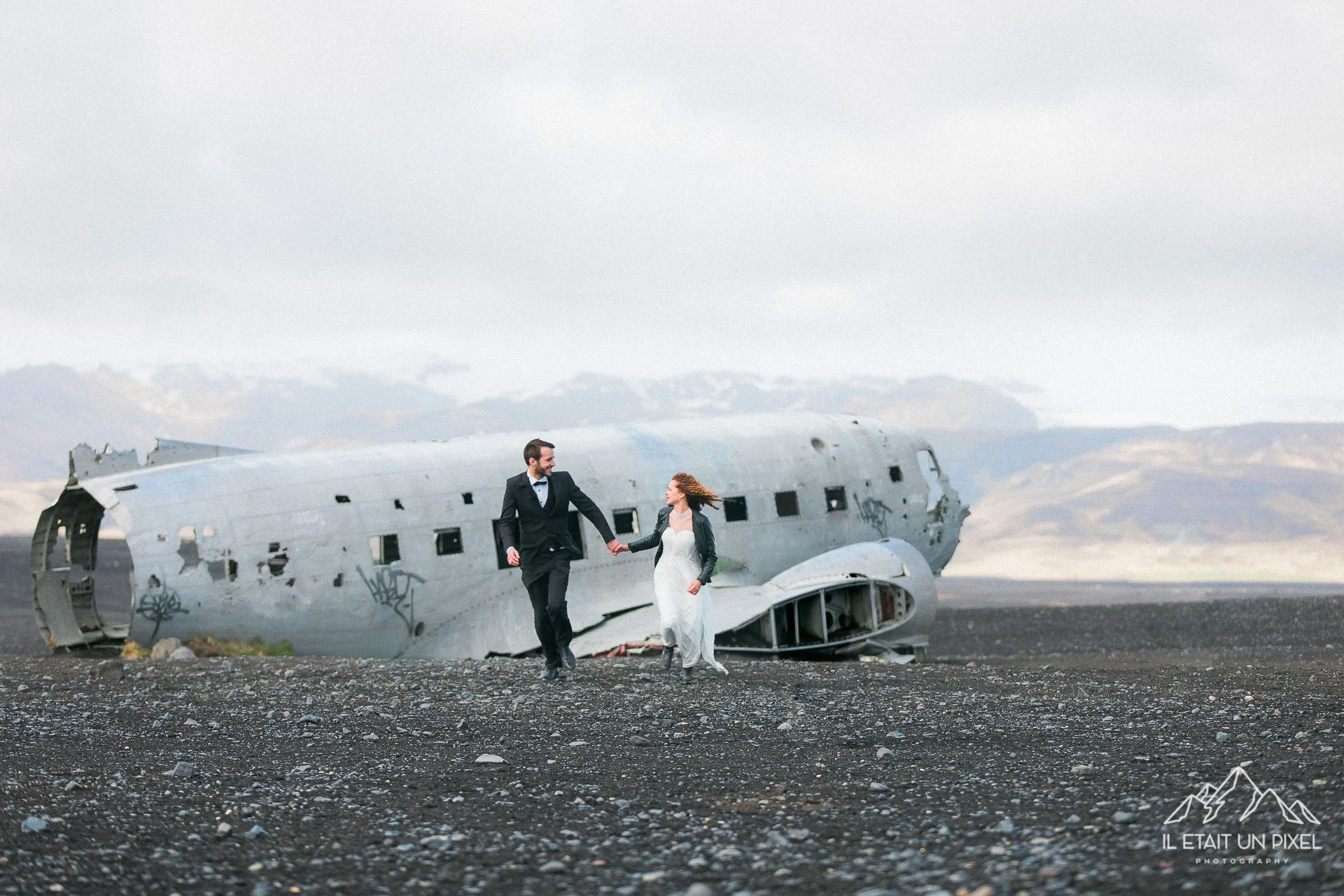
Destination Wedding & Elopement Guides
Everything you need to plan a destination wedding or elopement in France & Europe
Planning a wedding in a country you don't live in is equal parts thrilling and terrifying. You've fallen for the idea: vows in a Loire Valley château, a lavender field in Provence at golden hour, just the two of you on a windswept cliff, but then the questions arrive. Is a French wedding even legal for foreigners? How far in advance do venues book? What does it actually cost? Who do you trust when you can't visit in person?
I've spent the last fifteen years answering those questions for couples from the United States, the UK, Australia and all over the world. I'm Jérémie, a former aerospace engineer turned wedding photographer and videographer, based on the west coast of France and working across Europe and beyond. I've photographed celebrations in more than twenty countries on five continents, from black-tie château weekends in the Loire Valley to a two-person elopement under the northern lights in the Lofoten Islands. Along the way I've been lucky enough to receive 250+ international awards and to be named among the top 60 wedding photographers in the world for five years running.
These guides exist because I kept writing the same long, detailed emails to couples planning from abroad, and realized that knowledge should simply live here, free, for anyone dreaming of getting married far from home. Everything below comes from real weddings I've photographed and real logistics I've helped untangle: no recycled generic advice, just what actually works on the ground in France and across Europe.
Bookmark this page. It's the table of contents for everything.
Start here: the two big questions
Is a destination wedding or an elopement right for you?
The words get used loosely, so here's how I use them. A destination wedding is a full celebration: often spread over two or three days with a welcome dinner, ceremony and next-day brunch: held somewhere meaningful rather than somewhere convenient, usually with 30 to 120 guests who travel to join you. An elopement is intentionally intimate: just the two of you, or you plus a handful of your favorite people, in a place chosen purely for what it makes you feel. No seating charts, no obligations: a mountain summit in the Dolomites, a private beach in Corsica, a rooftop above Paris.
Neither is "better." I've photographed three-day, 100-guest château weddings that felt deeply intimate, and two-person arctic elopements that felt enormous. The right question isn't how many people: it's what do you want to remember feeling. If you're torn, my guide on choosing between the two walks through the honest trade-offs: budget, family expectations, logistics, and what each format means for your photos and film. [Elopement or destination wedding: how to choose]
Can foreigners legally get married in France?
Short version: yes, but most international couples don't do their legal ceremony in France: and that's usually the smart move. French civil marriage requires at least one partner to have residency ties, publication of banns, and paperwork that can take months. The elegant workaround, used by the vast majority of my international couples: sign the legal documents at home in a ten-minute appointment, then hold your real wedding: the ceremony, the vows, the emotion, all of it: in France, as a symbolic or celebrant-led ceremony with zero legal constraints. Same dress, same tears, none of the bureaucracy.
The full breakdown: residency rules, symbolic vs. civil vs. religious ceremonies, timelines and documents: lives in my complete guide: [How to get married in France: the complete guide for foreign couples].
Choose your place
France is not one destination; it's twenty. And Europe multiplies that again. Here's how I think about the regions I know best: because I've photographed weddings in all of them.
You can discover the wonders of France
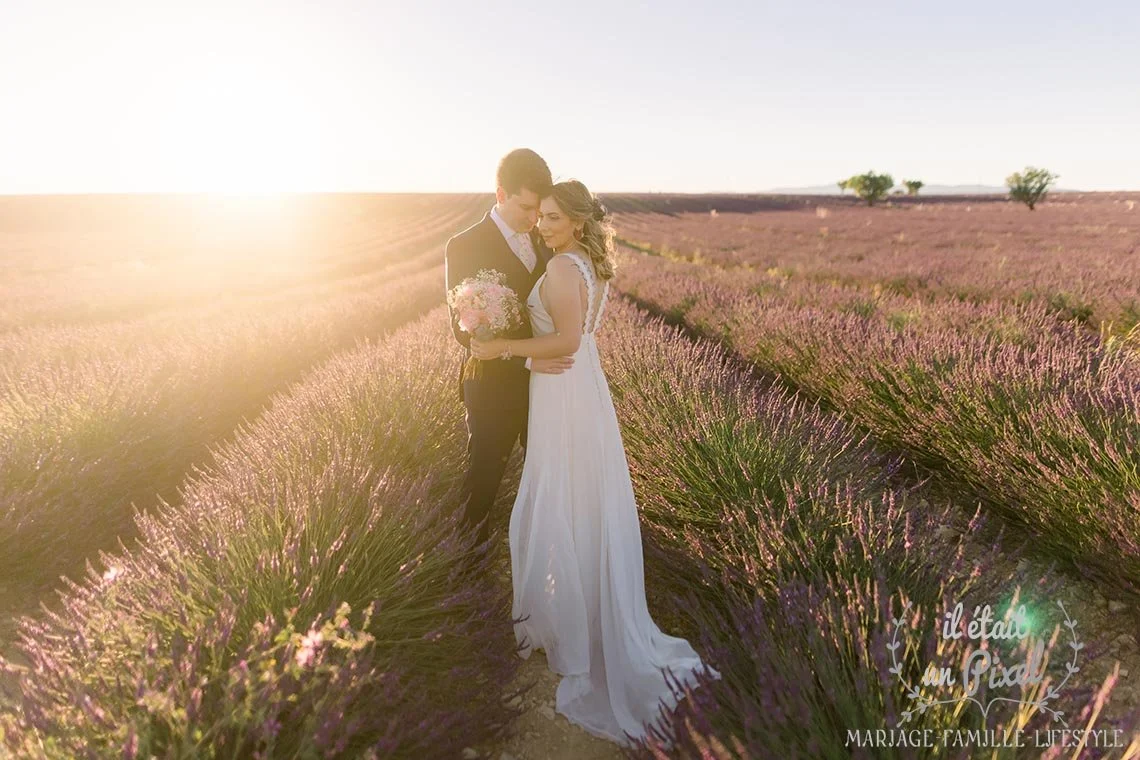
Loire Valley
The Loire Valley - château country
If your dream involves the word "château," this is where it comes true. The Loire Valley and the west of France are dotted with privatizable castles, Château de Jalesnes, Château de la Flocellière, Château de la Bretonnière among those I return to: where you and your guests sleep on-site and the celebration unfolds over a whole weekend. Expect manicured French gardens for your ceremony, candlelit stone halls for dinner, and that soft, painterly light the region is famous for. It's also far better value than Provence or Paris for comparable grandeur. [Loire Valley wedding photographer]
Provence & the South
Lavender in bloom (roughly mid-June to mid-July, timing matters, and I cover it in the guide), golden stone villages, long dinners under plane trees. Provence is the France of the imagination, and it photographs exactly the way you hope it will. It's ideal both for full weddings and for elopements: one of my favorite stories ever is a two-day elopement that began at dawn in Montmartre and ended in the lavender fields of Valensole.
Paris - intimate and iconic
Paris rarely hosts 100-guest weddings; it hosts moments. Sunrise couple sessions at the Louvre before the crowds, secret proposals, city-hall-style intimate ceremonies, rooftop weddings with the Eiffel Tower as witness. If you're eloping to Paris or adding a Paris session around your wedding elsewhere in France, the logistics (permits, timing, rain plans: yes, I have rain spots) are their own art.
The Atlantic coast & Vendée
My home turf, where I live, and where I know every beach, dune and hidden domaine. Barefoot ceremonies on the sand at Les Sables-d'Olonne, colorful coastal weddings, oyster-and-white-wine cocktail hours as the sun drops into the ocean. It's relaxed, generous, and still refreshingly under the radar for international couples.
Corsica & the islands
For couples who want the Mediterranean without the crowds: ceremonies on private beaches, boat days around the Lavezzi islands, dancing on the sand until sunrise. Corsica rewards couples who plan multi-day celebrations, the travel is part of the adventure.
Beyond France: the wider map
Because I travel for a living, many couples take me along: the Dolomites and Lake Como in Italy, Mallorca and the Balearics, the Greek islands, Ireland's Cliffs of Moher, and for the truly adventurous, Iceland and arctic Norway in winter, chasing auroras between vows. Each of these has its own guide with seasons, permits, hiking logistics and honest advice about what's harder than Instagram makes it look. And several times a year I publish my travel calendar, if your date and destination line up with a trip I'm already making, travel fees are on me. [Travel dates & upcoming destinations]
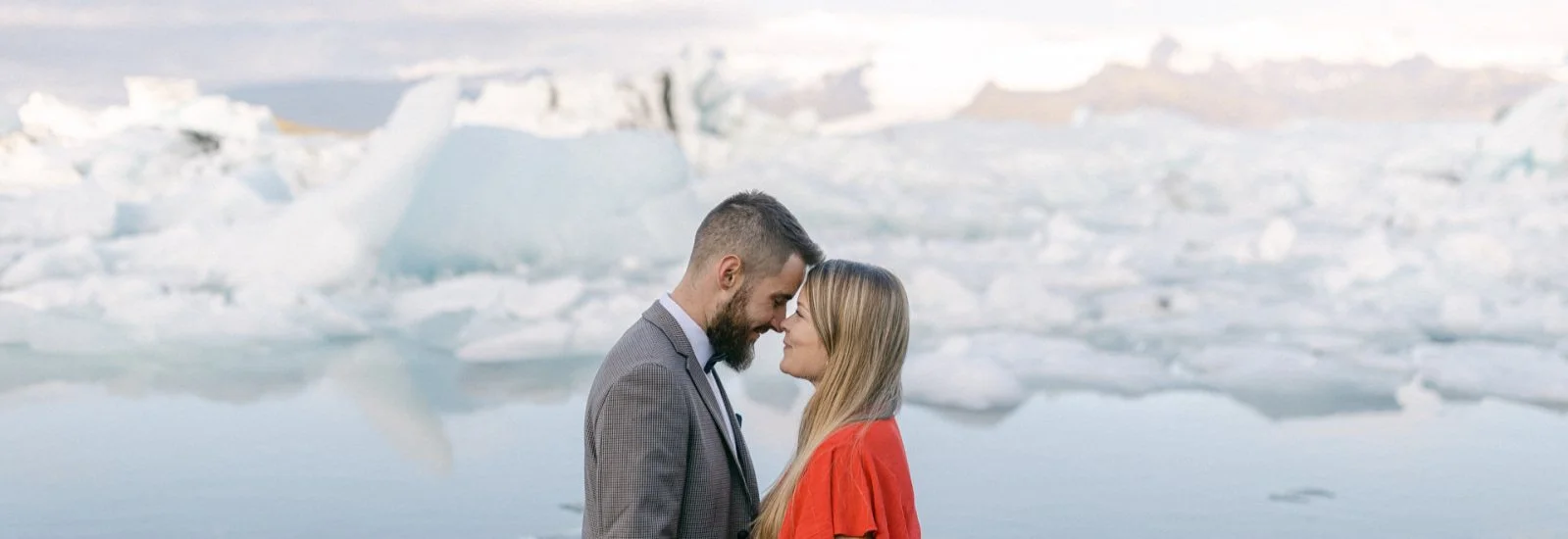
… or explore the world
Understand the money
Nobody plans well without numbers, so let's be adults about it. A realistic elopement in France, celebrant, florals, hair and makeup, a beautiful dinner, photography and film, typically lands somewhere between the cost of a nice car repair and a small car, depending on how far off the beaten path you go. A multi-day destination wedding at a privatized château is a different scale: venue weekends, catering per head, and travel logistics for your guests.
Rather than vague ranges, I've broken down real budgets from real weddings: what couples actually spent, where the money went, and where it's smart to save versus splurge (hint: the things you'll still have in thirty years are not the chair covers).
Build your timeline
Destination weddings run on longer clocks than local ones. The rhythm that works:
12–18 months out: choose region and season, secure the venue, book the vendors who can't be duplicated (yes, photographer and videographer belong here; the good ones in France book 12+ months ahead for peak Saturdays in May, June and September). 8–12 months: travel blocks for guests, celebrant, catering, design. 3–6 months: timeline design, which is where I get personally involved with my couples: building the day around light, not around convention. A ceremony scheduled an hour earlier than "usual" can be the difference between flat midday photos and the golden portraits you actually hired me for. The week itself: arrive early, do a relaxed session before the wedding day, and let the celebration breathe over several days. Multi-day is not a luxury add-on; it's the single biggest upgrade to how a destination wedding feels.
The full timeline, with a printable checklist, is in the planning guide.
Learn from real weddings
Guides give you the framework; real stories give you the feel. Every wedding and elopement in my portfolio is written up as a mini case study: the venue, the season, how the days were structured, what the couple would do again. A few to start with:
A black-tie, multi-day château weekend in the Loire Valley for a British couple
Three days in Corsica: beach ceremony, boat day, dancing on the sand
A two-person winter elopement under the northern lights in Norway
Browse the full portfolio for more. [Portfolio]
Frequently asked questions
Do you speak English? Fluently, I studied and worked in Europe, Canada and the US, and roughly half my couples are English-speaking. I've also served as translator and speaker at international photography conferences, so wedding-day communication with your families is never an issue.
Do you only photograph, or film too? Both. I work in photo, film, or photo + film with my team: one aesthetic, one point of contact, no coordination headaches between separate vendors.
How far in advance should we book? For peak-season Saturdays (May–June, September), 12 to 18 months. For elopements and off-season dates, I can sometimes accommodate a few months' notice, and if your destination matches my travel calendar, even better.
Can you help us plan, or just shoot? I'm not a wedding planner, but after fifteen years and hundreds of celebrations across France and Europe, I'm a very opinionated resource: venues, celebrants, florists, makeup artists, timing, light. My couples get all of it. For full planning I'll connect you with planners I trust in each region.
What if we've never done a photoshoot and feel awkward? Almost every couple says this, and almost every couple forgets the camera within twenty minutes. My approach is documentary first: I photograph what actually happens, not stiff poses, with just enough gentle direction to make you look like the best version of yourselves.
Where to go next
If you're at the very beginning: read How to get married in France first, then the guide for the region calling your name. If you already have a place and a date, check my travel calendar and get in touch, tell me your story, and I'll tell you honestly whether I'm the right person to document it.
Fifteen years, twenty countries, and I still get goosebumps at every ceremony. Let's find out where yours will be. [Contact]
“Twenty years from now you will be more disappointed by the things that you didn't do than by the ones you did do, so throw off the bowlines, sail away from safe harbor, catch the trade winds in your sails.
Explore, Dream, Discover.”
— H. Jackson Brown Jr.
Let’s explore the world together! 🤠