Loire Valley Destination Wedding Guide
Planning a Château Wedding in the Loire Valley, France
If you have ever typed "château wedding France" into a search bar at midnight, chances are the photos that made your heart skip were taken in the Loire Valley. This is castle country: hundreds of privately owned châteaux scattered along the river and its tributaries, many of which you can rent entirely for a weekend, sleep in with your favorite people, and marry in with nobody else around.
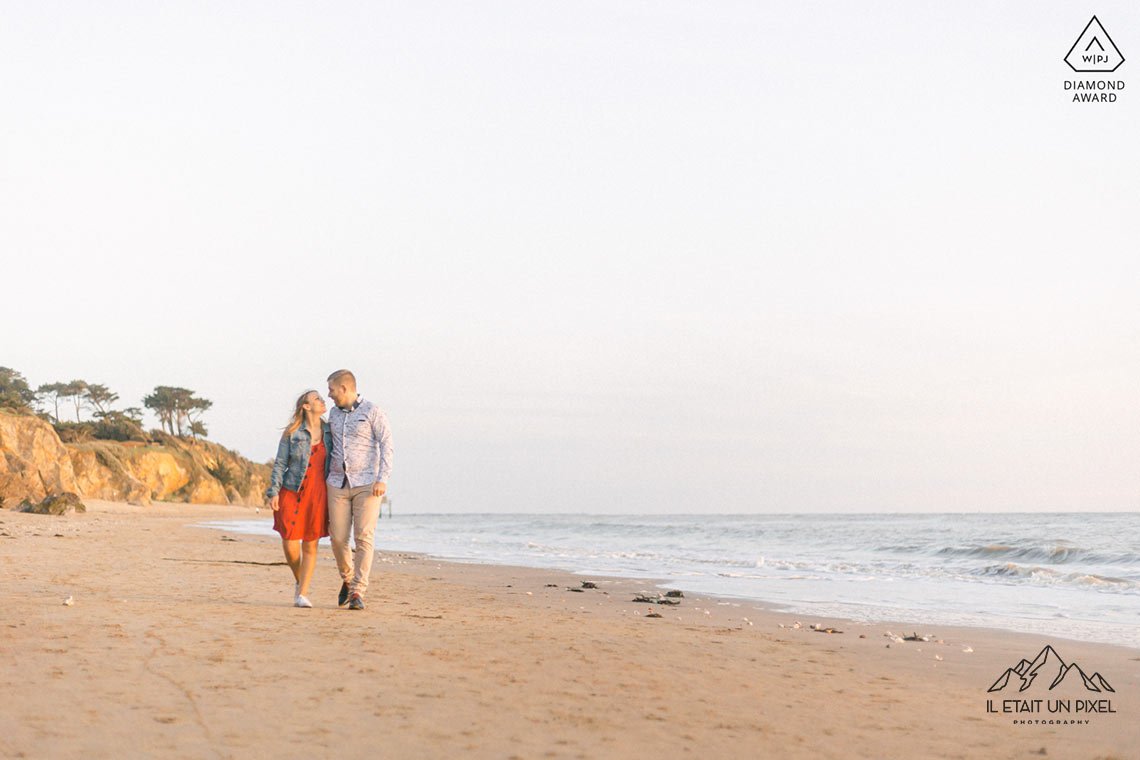
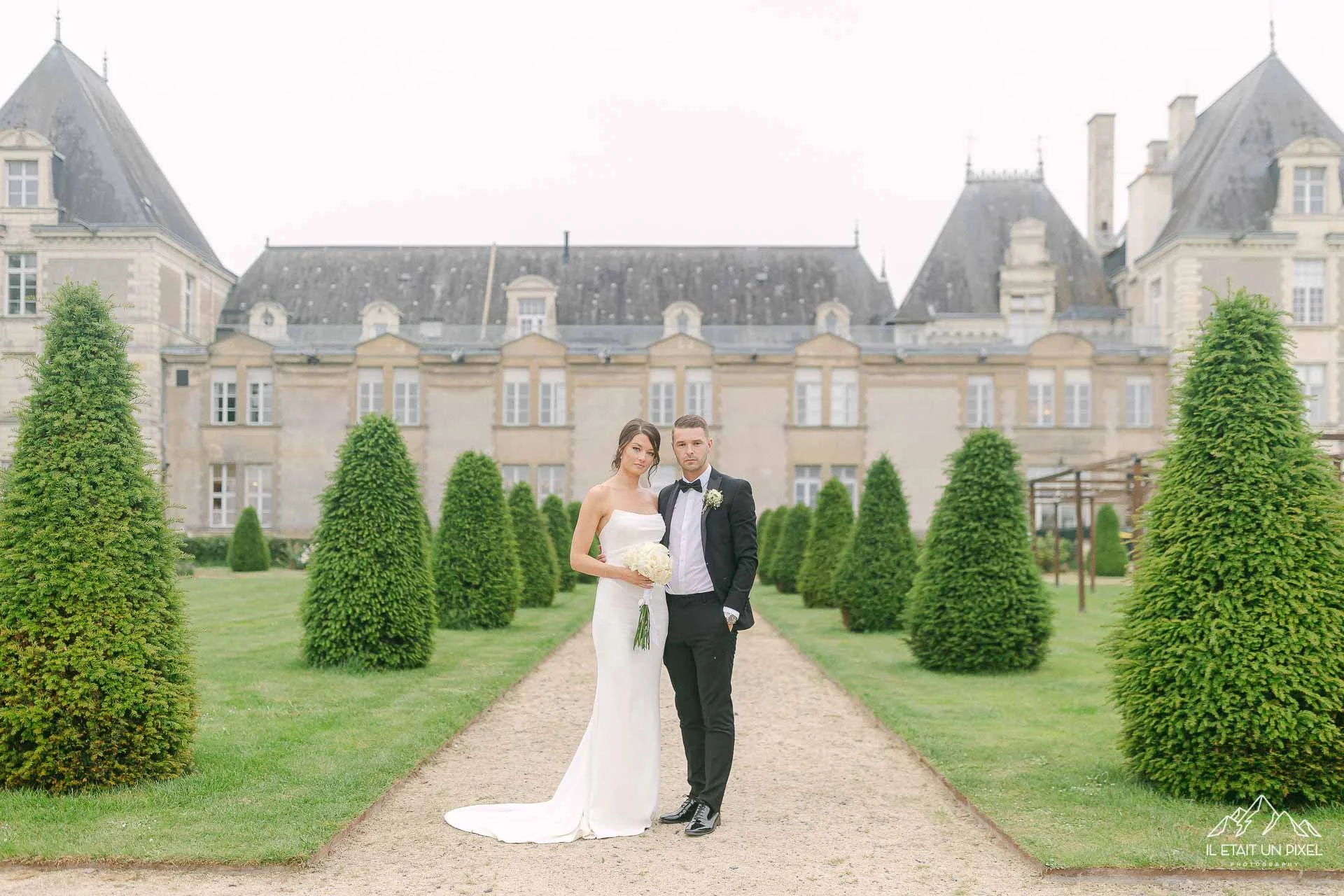
I live here. My studio sits on the western edge of the region, and a large part of my work happens inside these castles: black-tie weekends at Château de Jalesnes, multi-day celebrations at Château de la Flocellière, intimate ceremonies at Château de la Bretonnière. So this guide is not a list compiled from other blogs. It is what I tell my own couples, most of them traveling from the US, the UK or Australia, when they ask me how to do this well.
Why the Loire Valley beats Provence for château weddings
Provence gets the fame, and it deserves it. But when couples come to me undecided between the two, here is the honest comparison I give them.
First, the castles themselves. The Loire Valley is a UNESCO World Heritage landscape precisely because of its density of Renaissance châteaux. Nowhere else in France, or frankly in Europe, offers this many privatizable castles within an hour of each other. In Provence you mostly rent bastides and domaines; here you rent an actual castle with turrets, moats and four-poster beds.
Second, value. For a comparable level of grandeur, the Loire Valley is meaningfully more affordable than Provence or the Riviera. Peak-season venue weekends that would be eye-watering in the South are attainable here, and catering per head follows the same logic.
Third, light and landscape. The Loire is soft. Rolling vineyards, poplar-lined rivers, gardens designed four centuries ago to be walked through at sunset. As a photographer, I will tell you that the gentle, diffused light of western France in June or September is some of the most flattering I have ever worked with, anywhere in the world.
And fourth, logistics. Paris is one direct TGV ride away. Your guests land at Charles de Gaulle in the morning and can be having an apéritif in the castle garden by late afternoon.
The venues I keep coming back to
I have photographed weddings at dozens of estates across the region. A few I know intimately, because I have spent multiple full weekends working in them:
Château de Jalesnes near Saumur. A grand, fully privatizable Renaissance château with on-site suites for dozens of guests. Ideal for black-tie, multi-day weddings in the British or American style: welcome dinner on Friday, ceremony and gala on Saturday, pool day on Sunday. I photographed a two-day black-tie wedding here for a couple from the UK.
Château de la Flocellière in the Vendée hills, on the region's southwestern edge. Eleventh-century origins, a keep, formal gardens, and one of the warmest owner families I have met. I have shot at least four weddings here, including a three-day black-tie celebration for a Los Angeles couple and an intimate transatlantic wedding for a pair from Newport Beach.
Château Challain, in the Loire Valley. A most impressive neo-Gothic castle with 365 windows and 52 fireplaces—a building that narrates the passage of time. Cynthia, its American owner, brings to this jewel a generosity without equal and a rare expertise as a hostess. Weddings of every scale are held there, from the most intimate to the most lavish, yet always beneath an air of fairy tale reverie that Audrey Hepburn would not have disowned.
Château des Briottières, near Angers as well, a magnificent family manor with sumptuous interior salons and grand reception halls adjoining it (though the château itself can accommodate intimate welcome dinners in a splendid atmosphere). Each wedding becomes a parenthesis of grace there, bathed in golden light and beneficent discretion.
Château de Chambiers, near Angers, an 18th-century estate with forty hectares of shaded parkland, a luminous gallery with period beams, gardens sketched with delicacy.
Château du Parc Saint-Lambert, just a stone's throw away. A chic restored estate with a Baltard orangery worthy of world's fairs, a botanical park where thousand-year-old trees frame poetic ceremonies.
Château du Loroux, in Vernantes. A five-star 19th-century manor nested within the sacred ruins of a 12th-century abbey. Thirty-eight hectares of secrets, a chapel where vows echo beneath stone vaults, gardens cascading toward the river. A sumptuous setting where many weddings of international couples are held.
Château de la Bretonnière near Nantes. Smaller, elegant, perfect for weddings of 40 to 90 guests who want the castle feel without the ballroom scale. It was the French chapter of a beautiful two-country wedding I photographed that began on Lake Como.
Manoir de la Jahotière, also near Nantes, deserves a mention for couples who prefer romantic imperfection: its open-air ruins host some of the most moving outdoor ceremonies I have witnessed.
Beyond these, the region offers everything from intimate manor houses for 20 to estates that absorb 200. Tell me your guest count and the mood you are after, and I can usually shortlist three venues from experience rather than from Google.
The best season for a Loire Valley wedding
Late May to early July is the sweet spot. Gardens at their peak, sunsets after 9:30 pm (which means golden-hour portraits after dinner, not instead of it), and reliable warmth without the August crush.
September is the insider's choice. The light turns honeyed, the vineyards begin to blush, venues are slightly easier to book, and the weather in western France is often more stable than in June.
April, early May and October are the value windows: softer prices, moodier light, and a real possibility of rain, which matters less than you think. Some of my favorite images ever were made under Loire Valley clouds; the region's light through overcast is a gift.
Winter weddings here are rare but spectacular if the venue has the right interiors: candlelit stone halls and fireplaces photograph like a period film.
One practical note that surprises many couples: French summer sunsets are late. If your dream includes portraits in golden light, we design your timeline around a 9:45 pm June sunset, not around a template written for California. This is exactly the kind of thing I build with my couples in the months before the day.
The legal part, made simple
Here is the sentence that removes most of the stress: you do not need to be legally married in France for your French wedding to be real.
French civil marriage requires residency ties and paperwork that most international couples sensibly avoid. The standard path, used by the vast majority of my couples from abroad, is to sign the legal documents at home in a short civil appointment, before or after the trip, and to hold the full ceremony in the Loire Valley as a symbolic or celebrant-led ceremony. Same vows, same rings, same tears, zero bureaucracy, and complete freedom over where and how the ceremony happens: in the garden, in the chapel, under the cedar tree at sunset.
If you do want the legal ceremony in France, it is possible under conditions. I break down the residency rules, documents and timelines in my complete guide.
What a Loire Valley château wedding costs
Numbers vary enormously with venue and guest count, but for orientation: a full-weekend château privatization plus catering for 80 guests typically lands in the range of a mid-size renovation project, not a small one. Where the Loire wins is that the same budget buys you exclusivity and accommodation that in Provence buys you the venue alone.
The line items my couples most often underestimate: guest transport between accommodation and venue (solved by choosing a château where everyone sleeps on site), lighting for outdoor evening spaces, and the tent or indoor plan B that any honest planner will insist on. The ones they most often overvalue: elaborate favors and decor details that no one, including the couple, remembers three years later. The things you will still have in thirty years, your photographs, your film, your dress, are the ones worth protecting in the budget. I would say that even if I were not one of them.
For detailed real-wedding budget breakdowns, see the planning resources on my guides hub.
How your wedding weekend actually unfolds
The single biggest upgrade to a destination wedding is not a bigger flower budget. It is time. The rhythm that works, drawn from the weddings I photograph here every year:
Friday: guests arrive through the afternoon, welcome dinner in the courtyard or orangerie, relaxed and unposed. Some of the best candid photographs of the whole weekend happen tonight, when nobody is performing yet.
Saturday: a slow morning, preparations in the château suites (bring your dress; the light in these rooms is extraordinary), ceremony late afternoon, cocktails in the garden, dinner, first dance, party. In June, we step out for fifteen minutes of portraits at 9:30 pm while your guests hit the cheese course. They will not miss you; you will never regret the photos.
Sunday: brunch, pool, pétanque, and the photographs where everyone finally looks like themselves.
A word on vendors
The Loire Valley has a deep bench of wedding professionals used to international couples: planners who work in English, celebrants who write bilingual ceremonies, florists and caterers who travel between estates all season. Because I live and work here year-round, I am happy to share the short list of people I trust with my own couples; ask me when we talk.
Frequently asked questions
Do we need a wedding planner? For a multi-day château wedding planned from another country: honestly, yes. For an elopement or a very small wedding: not necessarily, and I can help you shape the day.
How far in advance should we book? Prime venues sell their May, June and September Saturdays 12 to 18 months out. Photographers and videographers you actually want follow the same calendar.
Is the Loire Valley good for elopements too? Wonderful for them. Several châteaux welcome tiny ceremonies, and the region pairs beautifully with a Paris day before or after.
Will language be a problem? Not with the right team. I work in French and English daily, roughly half my couples are English speakers, and I have spent years translating for international photography conferences. Your grandmother's toast will be understood.
Where to go next
Read the real Loire Valley weddings in my portfolio to feel how these weekends actually look. Then, if the region is calling you, check my availability. I photograph a limited number of weddings each year, most of them within an hour of these castles, and there is nothing I love more than showing this valley to couples seeing it for the first time.
You might also like
Paris wedding guide // Nantes // Vendée // Provence // Como Lake weddings // Amalfi Coast
Let’s explore the world together! 🤠